Role of Art & Art Therapy in the Holistic Development of Children and Psychological Healing of Clients with Emotional Issues
A brief descriptive summary of the Workshop on Art Therapy held on April 14, 2018
Art, Art classes, Painting sessions, Summer Art Classes! What are they all about? How do they help or benefit the growth and development of children at all ages?
Art can help children improve their communication skills, their social interaction and emotional and physical development.
Are art classes different from Art Therapy? Who can benefit from Art Therapy? What activities are involved in Art Therapy?
Art Therapy is the deliberate use of art to address psychological and emotional needs. Art Therapy uses the media of art and the creative process to help in areas such as, but not limited to, fostering self-expression, creating coping skills, managing stress and strengthening a sense of self.
Art includes visual (like painting) and expressive arts (like music, clay work, poetry, dance, sand therapy and drama/theatre). Art is different from Art Therapy. Art Therapy involves the use of art for psychological counselling to treat developmental (mental or intellectual limitations), medical conditions (cancer, dementia), and resolution of unexpressed emotional conflicts. Art Therapy can also be used to manage troubled behaviors (Attention Deficit Hyperactive Disorder, self-injurious behaviors, anger issues in children), building interpersonal skills (socially shy, introvert temperament), regulating emotions in stressful situations (occupational, academic, career related areas) and to achieve insight of more troubled emotions (in abuse, loss of loved on, failure etc)
Art Therapy has several benefits.
Some of these may be physical like building strength in arms, hands and fingers (in young babies/toddlers, in those with weak hand or limb muscles) by activities like holding crayons, paint brushes, pencils.
Art Therapy also helps in sensory exploration, as a fun filled, pressure free, pleasurable activity of creating things that are colorful.
Art Therapy also helps in improving eye-hand and motor co-ordination.
For preschoolers, the creation of art maybe a big accomplishment as they enjoy the process of involving in art by representing real or imagined objects. This helps them develop their thinking process and imagination.
For school going children, Art may help in preparation or further improvement of writing skills and better motor control of the finger grasp. These children can also develop a sense of sharing, responsibility, social skills development and social interactions as they work in groups. Art also helps improve observation skills necessary for life and academics, helps them to interact or be more sensitive to nature and the surrounding environment. Art also helps them share their experiences, express or verbalize their feelings and helps them improve their self-esteem.
Art Therapy can include activities like painting, drawing, sketching, doodling or visual arts. Art Therapy can also include activities of movement or expression like music, dance, drama, role plays, and sand therapy.
Art Therapy facilitates positive change by involving in the creation of something- productivity as an achievement in depression. Art Therapy can also be used as a distraction in obsessive compulsive behaviors shifting the focus away from the obsessive compulsive behavior.
Art Therapy can also help with the ventilation of emotions that are difficult to express using words especially in conditions of anxiety, abuse, or anger/acting out in children as well as in adults.
Art Therapy thus allows an individual to get in touch with their feelings that they find difficult to express otherwise.
Art Therapy modifies the physiology and structure of the brain and leads to a more flexible, adaptable individual. The therapy works with multiple senses (vision, touch, smell, hearing) in addition to muscle movements and social interactions with others. Art Therapy can thus help to heal an individual mentally, emotionally, and physically while they build skills to cope with the pressures of life.
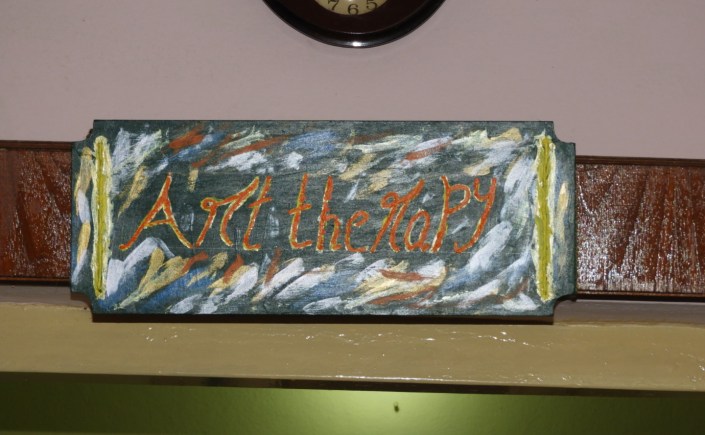
At our center, Manasvin’s Center for Marital and Family Therapy, we use art therapy effectively as a psychological healing method.
We have an artist (trained from Shantiniketan) who works individually and through group sessions. Art Therapy sessions are customized to the needs of each client based on inputs from a trained clinical psychologist and includes visual arts (painting, drawing, sketching) and expressive arts like Music Therapy (Guitar, Flute), Work with Clay, Sand Therapy, Role Plays, Poetry and Story writing and telling sessions.


 Manasvin's Center for Marital and Family Therapy