CBT
Panic Disorder and Generalized Anxiety Disorder
Services have started
We have restarted our services and are now open for consultations.
Call 9849924478 to fix appointments. Consultations by appointment only.
We are open 9am to 5pm on all days.
All clients are requested to carry their own mask and personal sanitizer and maintain social distancing norms.
The Family-an integral part of therapy for alcoholism
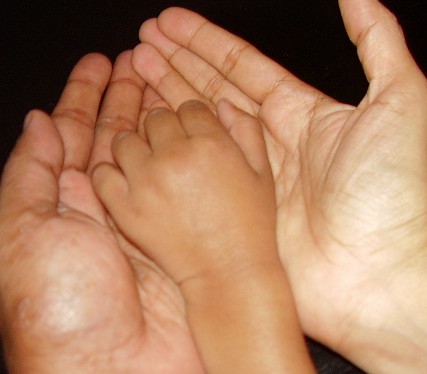
The effects of alcohol use on family and marital functioning are complex. As alcoholism has profound effects on the family and because relationships within the family and family relation patterns may affect the course, severity and pattern of alcohol misuse, several family-focused management plans for the alcoholic and his/her family are used.
There are several advantages to a family based approach to conceptualizing and treating substance abuse disorders.
- Involvement of the family is associated with better compliance with treatment
- Involvement of the family usually leads to better treatment outcomes
- Substance abuse has a negative impact on the functioning of the rest of the family and involving the family in treatment may ease their distress as well
- Family therapy provides a framework for conceptualizing the inter relationships between substance use and family functioning
- Involvement of the family can reduce the sense of isolation of the alcoholic
- Involvement of the family can facilitate establishment of common goals for the family as a unit
- Can help the family identify and deal with other problems like poor communication
- Can be used as a guide for treatment with any part of the family that is available for treatment
Heavy alcohol use has been associated with a number of types of liver injury, various cardiac conditions, immune system depression, damage to endocrine system and reproductive function and multiple adverse neurological effects.
Alcoholism is also associated with a high incidence of serious and fatal injuries, high risk behavior and suicide.
About 48% of people with alcohol abuse/dependence meet criteria for another psychiatric disorder, a rate that is 2 times higher than non alcoholics
The divorce rate among alcoholics is estimated to be about 4 times that of the general population.
Family disruption is probably more likely with alcoholism than with other mental disorders.
Families with alcoholic parents experience more marital conflict and more parent child conflict than non alcoholic families.
Besides divorce and family disruption, alcoholism is often linked to family or domestic violence.
Research indicates that a substantial number of child abusers are also excessive drinkers and that alcohol often is involved in the abuse when the abuser is an alcoholic. Family members of alcoholics experience higher levels of psychological distress than individuals without alcoholic family members.
Children of alcoholics also appear to function more poorly compared to children from alcoholic families.
Treatment using Cognitive Behavior Therapy (CBT) model:
CBT models of the functioning of spouses and children in alcoholic families utilize a stress and coping perspective. Multiple factors are hypothesized to impact on the functioning of family members, including their own coping repertoire, other psychological problems, the types of stresses in their environment created by the drinking and the quality of the marital or parent-child relationship.
Family members utilize a variety of maladaptive coping strategies to deal with the chronic stress of living with an actively drinking alcoholic family member.
Spouses may engage in a variety of ineffective behaviors intended to change the drinking such as nagging the drinker to change or attempting to control the drinking or the drinking behavior.
These behaviors are conceived as maladaptive coping strategies, rather than indicators of underlying psychopathology. Over time, spouses assume extra role responsibilities and often decrease the time they devote to activities that they experience as pleasurable. Depression, anxiety and social isolation are understandable consequences.
The focus of cognitive behavioral therapy varies with the presenting problems and with the person presenting for treatment. The goals of a comprehensive cognitive behavioral assessment are to assess the interrelationships between drinking and family behavior, evaluate the current functioning of each member of the family unit, including strengths, problem areas, and coping skills and assess the functioning of the family as a unit.
The results of the assessment are used to develop a specific treatment plan to impact on the individual’s drinking, enhance positive coping for members of the family and to enhance the quality of marital or family relationships
Cognitive Behavior Therapy- A Brief Look
Cognitive Behavior Therapy (CBT) is largely self help where the therapist (clinical psychologist) aims to help the patient develop skills not only to overcome the current problems, but also any similar problems in future. The major part of the therapy is practiced in daily life, with the patient putting into practice what has been discussed in treatment sessions.
Collaborative nature of the therapeutic relationship– The patient participates actively in the therapy by collecting information, giving feedback on the effectiveness of recommended techniques and making suggestions for improved effect
Components of CBT– CBT has two main components– a) Behavior Therapy and b) Cognitive Therapy
Behavior Therapy emphasizes on learning principles. The focus is on correcting maladaptive behaviors and learning new adaptive behaviors.
Behavior therapy works on the basic premise that behavior can be learned and similarly maladaptive behaviors can be unlearned based on the same principles of learning.
In behavior therapy, environment of the individual plays a vital role. Changes or manipulation of the environmental variables will bring a reduction in symptoms of the client. It stands with the scientific principles of being observable, measurable and repeatable in nature. The basic concept is that symptom are mostly controllable by effective and suitable methods of behavior therapy techniques.
Behavior therapy concentrates on behavior itself (that is affecting the person’s adjustment) and less on a presumed underlying cause. Maladaptive behaviors are, to a considerable extent, acquired through learning, in the same way that any behavior maybe learned. These learning principles, can be extremely effective in modifying maladaptive behavior. Behavior therapy does not hold that maladaptive responses arise from a disturbed personality.
Behavior Therapy concentrates on the present. Behavior Therapists are considerably more likely to accept the clients presenting complaints as valid with a realization that they would not have sought professional help if they did not suffer from these complaints.
Behavior therapy is a combination of scientifically tested and proven techniques that are practiced universally.
Who Can Benefit?
Persons suffering from psychological problems such as
- Obsessive Compulsive Disorders
- Phobias or Fears
- Social Anxiety
- Generalized Anxiety
- Depression
- Anger Management Issues
- Lack of Assertiveness
- Lack of interpersonal skills
The goal of the therapist is to work with the client to help address the specific problems that are affecting the functioning of the client.
Cognitive Therapy—The cognitive component of the CBT is based on the premise that that changes or improvements or relief of symptoms in the client is not a superficial change. It works with the innermost thought processes (belief system) of clients that are dysfunctional at the moment and which can be changed using rational methods of therapeutic techniques like cognitive therapy.
The goal of cognitive therapy is not simply to make clients think differently or feel better. Goal is to teach clients a process of evaluating their goals, thoughts, behaviors and moods so that they can learn methods for improving their lives. In a broader perspective, Cognitive therapy is conceptualized by
- Cognitive (Thinking) Factors such as thought images, memories that are intimately related to dysfunctional behavior
- Modification of such factors as an important mechanism for producing behavior change
- Patients/Clients learn to objectively identify, evaluate and examine their thoughts and images in relation to specific distressing behaviors or events
- Patients are taught to weigh such cognitions against objective evidence and correct distortions or dysfunctional assumptions
 Manasvin's Center for Marital and Family Therapy